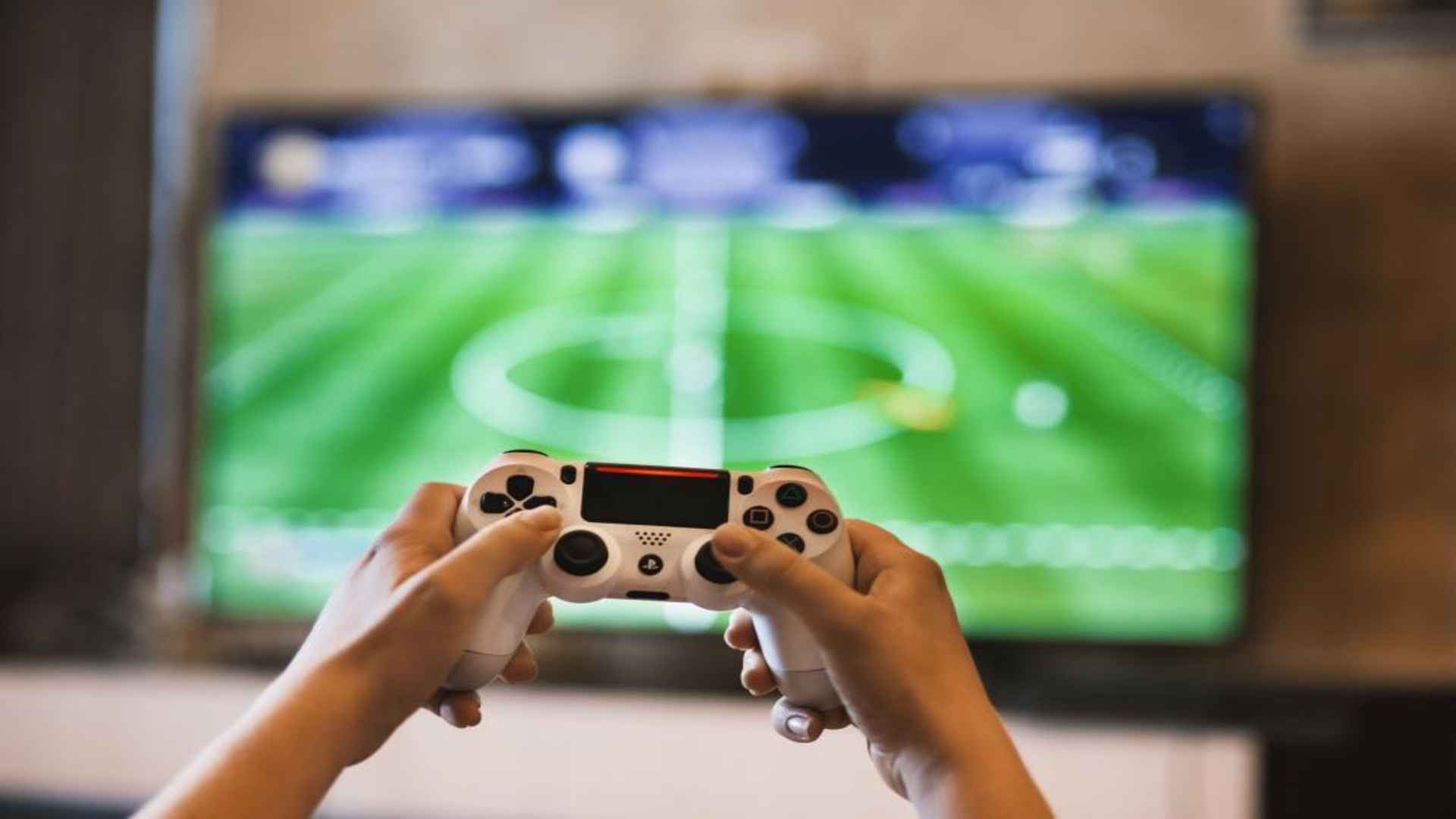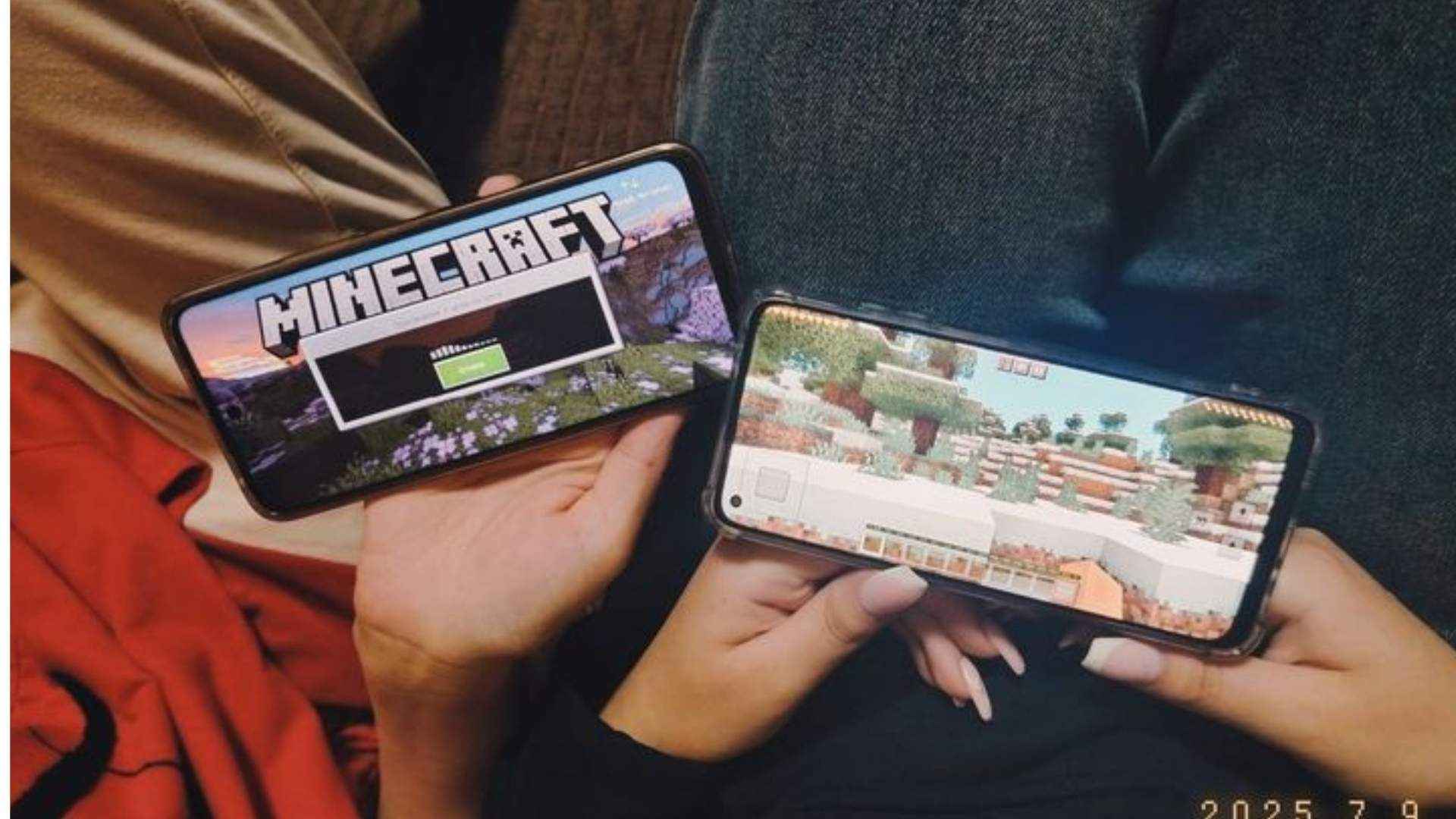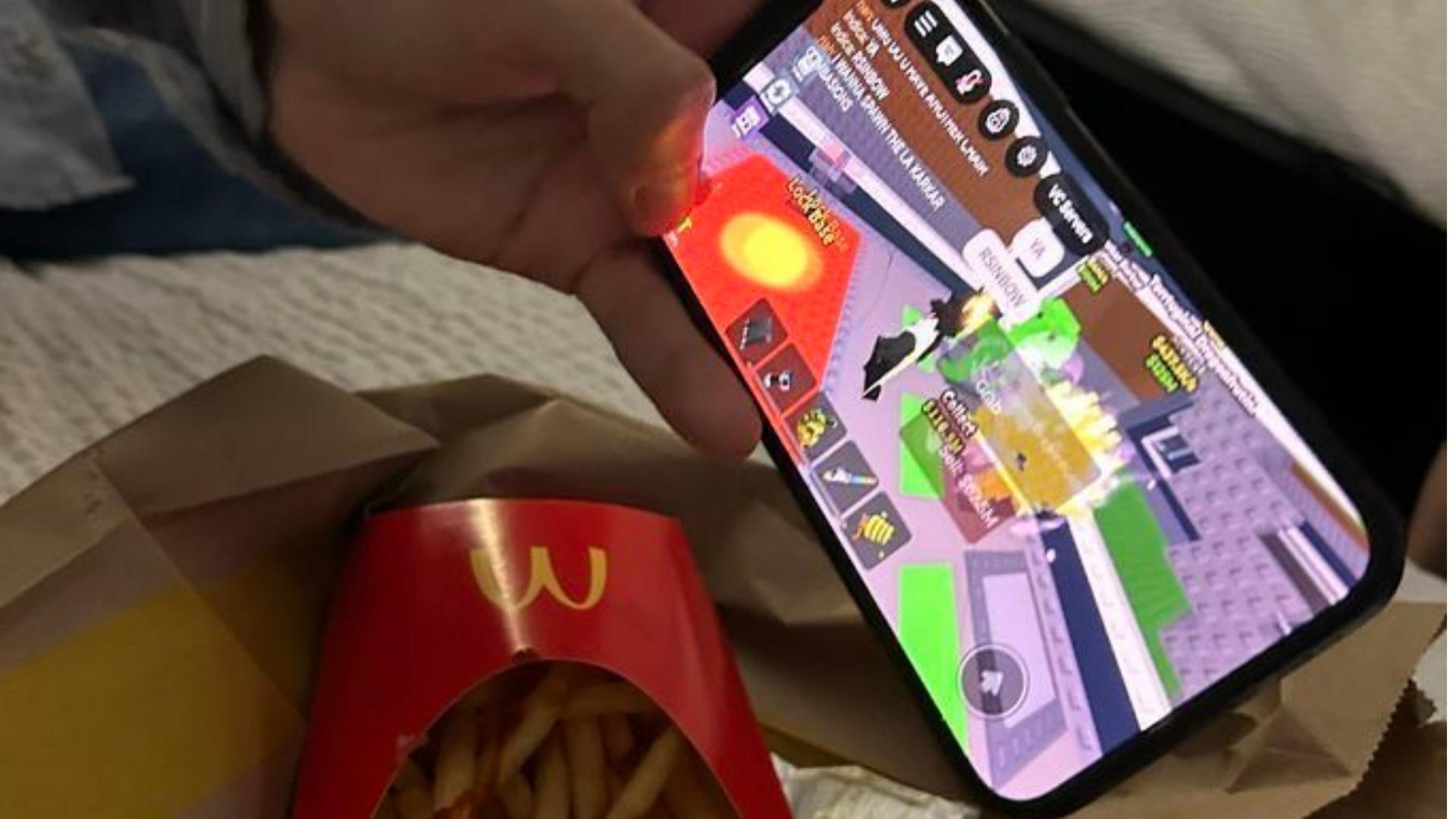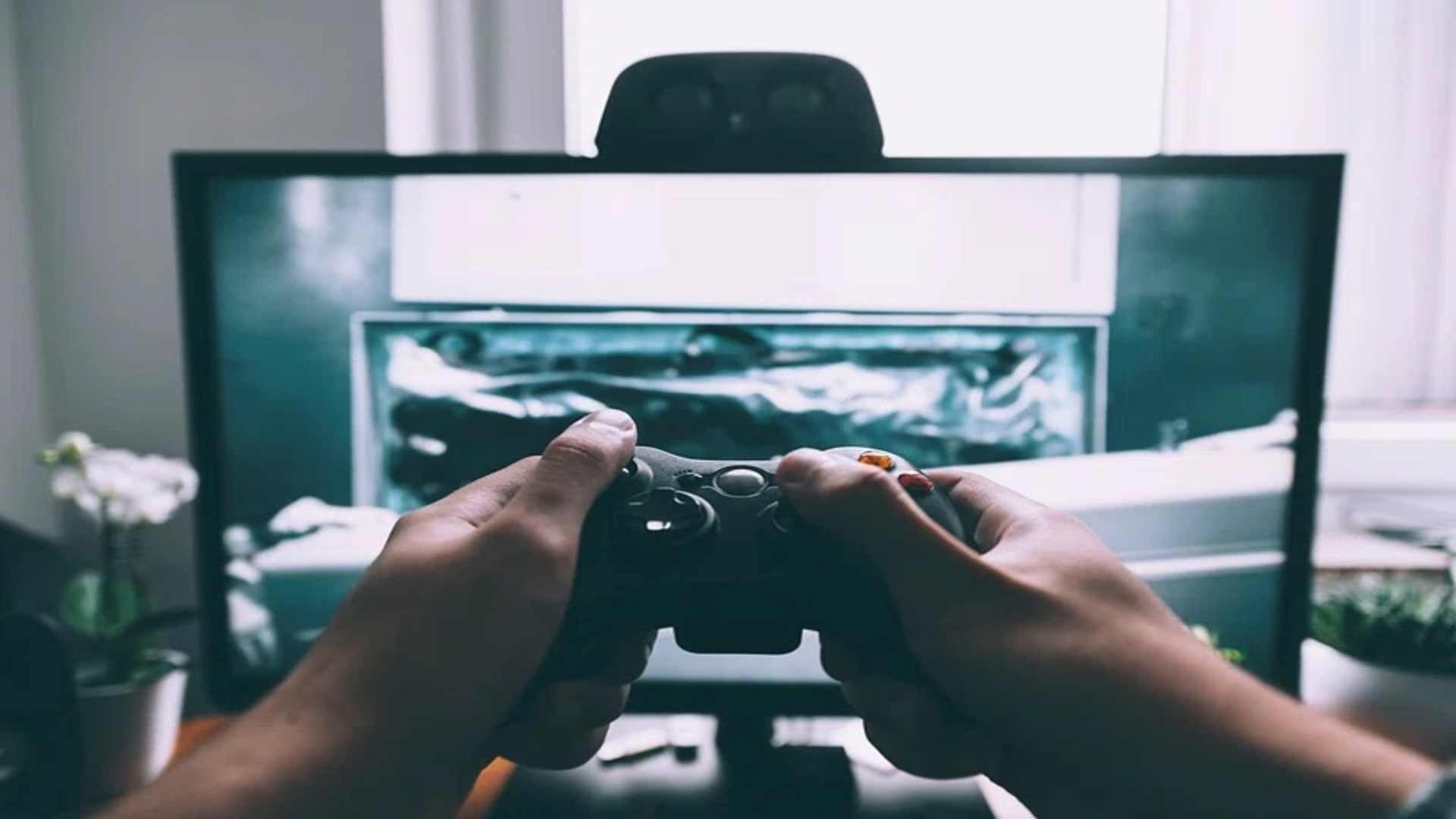
The global mobile gaming landscape has shifted dramatically, introducing groundbreaking technological advancements that are reshaping the player experience. High-performance smartphones combined with sophisticated network infrastructure are now enabling developer studios to launch complex, immersive software on handheld devices. Finding the absolute best trends requires looking past marketing hype and identifying the fundamental shifts that are permanently elevating how we play games on the go.
Cloud Streaming and Virtual Hardware Integration
Cloud gaming has emerged as a definitive alternative to traditional native hardware limitations by offloading complex processing demands to remote servers. This transition enables modern mobile devices to run visually stunning titles without draining immediate processing power or requiring massive software installation packages. As server network infrastructure matures globally, player retention continues to rise due to the elimination of hardware-based barriers to entry.
Low-latency streaming allows remote servers to handle demanding physics simulation engines and high-fidelity texture packages in real time. Players can seamlessly access complex virtual world ecosystems without facing severe device overheating issues or local storage constraints. This structural efficiency represents a significant turning point for modern mobile games, allowing desktop-quality interaction directly on ultra-portable screens.
Artificial Intelligence and Dynamic Environments
Artificial intelligence is shifting from a passive background feature to a core driver of interactive mobile design. Modern gaming software integrates localized machine learning to generate highly adaptive environments that respond to specific player habits and mechanical expertise. These non-playable characters showcase believable decision-making capabilities, offering strategic depth that makes every individual play session genuinely unique.
In addition to behavior enhancements, generative systems assist in managing large-scale, procedurally generated landscape layouts efficiently. This technological integration ensures mobile software maintains deep engagement without forcing developers to create ballooning asset file sizes. As these automated mechanisms continue to expand, they provide continuous replayability options that successfully accommodate both competitive and casual lifestyles.
Advanced Cross-Platform Ecosystems
The modern entertainment sector is witnessing a total platform collision as interactive software moves toward unified global databases. Players no longer operate within isolated mobile spaces, instead enjoying seamless synchronization that bridges smartphones, personal computers, and dedicated home systems. This deliberate shift builds highly interconnected international neighborhoods where a community can interact regardless of individual device choice.
Achieving stable functionality across multiple device formats requires modern integration suites capable of handling constant real-time data sync. Enthusiasts tracking complex online mechanics often check specialized analytical platforms like M88 togel to understand how different database networks maintain fair competitive systems. Choosing experiences that support reliable cross-platform profiles ensures that long-term in-game progress remains perfectly preserved across distinct hardware boundaries.
The Proliferation of High-Refresh Touchscreens
Mobile device hardware components are experiencing rapid updates specifically intended to satisfy the demands of modern interactive media. High-refresh-rate displays combined with lightning-fast touch response tracking are transforming portable devices into elite spaces for professional matchmaking loops. These physical upgrades ensure that split-second tactical reactions translate immediately into fluid on-screen performance.
This reliance on rapid physical components pushes mobile engineering firms to prioritize low-latency thermal cooling mechanics in general smartphone design. Consequently, modern portable hardware delivers stable framerates that heavily reduce accidental interaction mistakes during competitive sessions. As touch sensitivity continues to approach the precision of dedicated external controllers, handheld gaming remains a dominant cultural force.