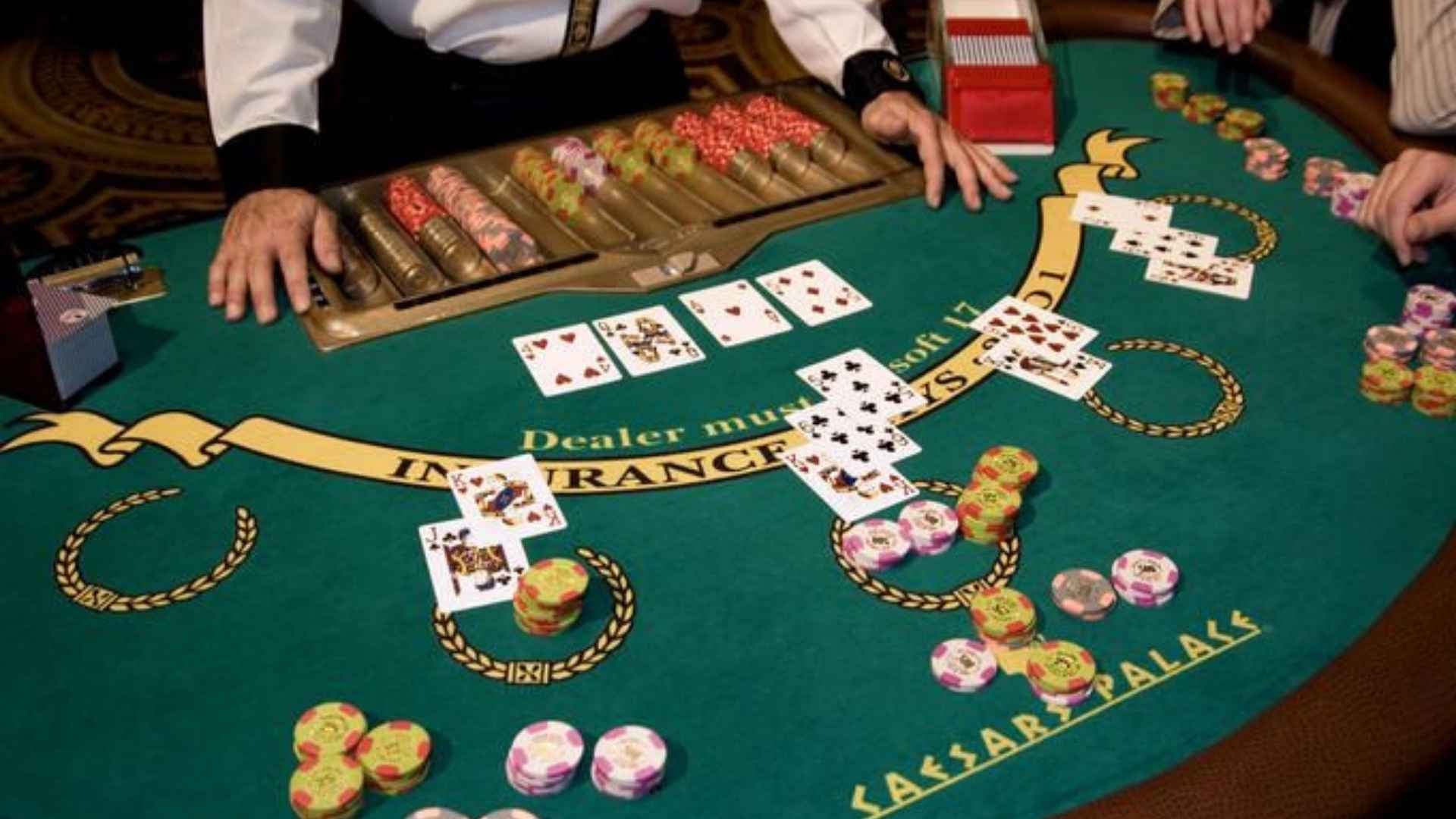
Poker is a demanding game of mental endurance where strategic choices are constantly tested by intense situational anxiety. While mastering basic card probabilities provides a solid foundation, achieving long-term profitability requires an extraordinary level of psychological resilience. The ability to remain objective during high-stakes moments separates the true professionals from casual enthusiasts who succumb to stress.
Understanding the Physiology of Tactical Stress
When the stakes rise significantly during a tournament, the human body naturally triggers an autonomic defense mechanism. This biological response releases high levels of stress hormones like adrenaline, which can easily cloud critical logical reasoning. Recognizing these physical shifts allows card players to implement immediate relaxation techniques before making costly errors.
Maintaining clear analytical clarity under immense psychological strain prevents players from rushing into impulsive maneuvers. Successful competitors train themselves to view threatening situations as simple mathematical equations rather than personal challenges. This mental adjustment helps sustain a highly disciplined strategy across long and exhausting live gaming sessions.
Managing Cognitive Overload at the Table
As multiple betting rounds progress, the amount of unstructured information a player must calculate increases rapidly. Tracking opponent body signals, computing pot odds, and projecting future outcomes can quickly lead to severe cognitive fatigue. When the human brain is overloaded, it naturally seeks shortcuts, which frequently results in predictable betting patterns.
To mitigate this mental exhaustion, experienced individuals proactively filter out unnecessary external distractions. By focusing strictly on relevant variables, you can optimize your processing capacity for critical decision-making intervals. Practicing these vital focusing techniques on a reliable platform like M88 casino can significantly prepare your mind for high-pressure situations.
Implementing Effective Grounding Techniques
When an unexpected bad beat threatens to disrupt your emotional stability, implementing deliberate grounding exercises can restore balance. Simple physical habits, such as box breathing or focusing on immediate environmental objects, help slow down a racing heart rate. These quick methods offer an immediate way to soothe anxiety and prevent the onset of destructive tilt.
Regaining total control over your thoughts ensures that subsequent moves remain firmly rooted in strategic theory. By refusing to let past negative outcomes dictate present actions, you protect your bankroll from compounding tactical mistakes. Psychological discipline remains just as essential as tracking mathematical percentages when sitting at the felt.
Cultivating Long Term Mental Resilience
Developing a truly resilient mindset is a continuous process that extends far beyond a single successful session. It requires regular self-reflection, careful review of past failures, and an ongoing commitment to personal stress management. Players who treat mental training as a core pillar of their routine consistently find greater stability at the table.
Ultimately, winning consistently under pressure is about mastering your internal environment while navigating external uncertainties. By combining sharp technical execution with disciplined emotional control, you establish a massive competitive advantage. True longevity in the game belongs to those who can think clearly when everyone else is panicking.